
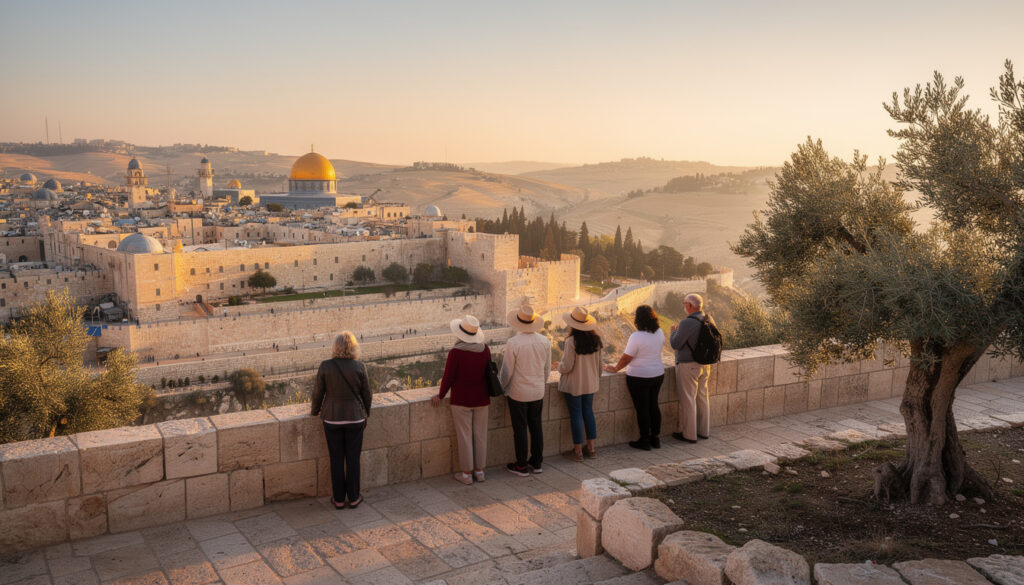
Holy Land Tours Israel for First-Time Christian Visitors: A Comprehensive Guide begins with a simple premise: walking where biblical events took place changes how scripture reads. Organized Holy Land tours Israel combine devotional reflection with demanding logistics across ancient cities, active excavations, and sacred landmarks. This guide covers what first-timers typically encounter in routes, schedules, physical demands, expenses, and site etiquette.
Where the Biblical Sites Sit: North, Center, and South
A well-built Biblical sites itinerary splits its days among Galilee in the north, the Judean hill country in the center, and the desert in the south. Christian pilgrimage in Israel is shaped by these distances, since a transfer between regions can take half a day.
The Northern Region: Galilee and Nazareth
Most northern days center on the Sea of Galilee. Capernaum, the base of Jesus' ministry, sits on its northern shore, and the nearby Mount of Beatitudes is the traditional setting for the Sermon on the Mount. Many groups renew baptismal vows at a Jordan River baptism site downstream. Nazareth follows, where the Church of the Annunciation marks the tradition of Gabriel's message to Mary.
Central Judea: Jerusalem and Bethlehem
The Jerusalem Old City holds the Holy Week story in a few square kilometers. Groups walk the Via Dolorosa to the Church of the Holy Sepulchre, then reach the Western Wall area, where the massive retaining walls of the Temple Mount stand. From the Mount of Olives, the ridgeline offers the classic view over the city, and the Garden of Gethsemane preserves ancient olive trees below it. A Bethlehem day trip means crossing a checkpoint into Palestinian Authority territory, so passports, a set morning window, and sometimes a change of local guide are part of the routine. The Church of the Nativity is the destination.
The Southern Expanse: Judean Desert and the Dead Sea
The road drops through the barren Judean Desert to the lowest land elevation on earth. Masada fortress, Herod's mountain palace, crowns the cliffs, and the Parks Authority publishes operating hours, cable car access, and preservation rules for the summit. A Dead Sea visit follows, where the hypersaline water lets swimmers float without effort.
Is Seven, Ten, or Fourteen Days the Right Length?
Travel time between regions eats into the schedule. A single transfer from Tiberias to Jerusalem can consume a good part of a day, which is why Holy Land tours Israel are judged less by the number of sites listed than by how many days are left for actually standing in them. The Israel Ministry of Tourism publishes a 10-day Christian route that serves as a common benchmark for pacing.
| Length | Realistic coverage | Pace |
|---|---|---|
| 7 days | Highlights of Jerusalem and Galilee | Rapid, little downtime |
| 10 days | North, Jerusalem, Bethlehem, and the desert | Balanced, the industry standard |
| 14 days | All of the above plus lectures and secondary sites in the Shephelah or Negev | Slower, suited to study |
Pacing and Spiritual Reflection Versus Sightseeing Speed
Checklist touring leaves little room for scripture reading, communion, or silence. Overloaded schedules tend to produce physical fatigue and mental burnout by day four or five. A Christian pilgrimage works better when at least one site per day is left unhurried.
A Typical Day: Early Starts, Stone Steps, and Dress Codes
Mornings usually begin with a 07:00 or 07:30 departure so that sanctuaries are reached before the large groups. Daily walking commonly runs 8 to 12 km over uneven ground, slick ancient flagstones, steep inclines, and long staircases. The stone alleys of the Jerusalem Old City admit no vehicles, so closed-toe shoes with rigid soles and firm grip matter more than any other item of clothing.
Dress codes apply at Orthodox, Catholic, and Protestant shrines as well as Jewish and Muslim sites. Shoulders and knees must be covered by men and women alike, and sleeveless tops, shorts, and low-cut shirts can mean refused entry at the Church of the Holy Sepulchre or the Western Wall area. Pilgrims often carry a lightweight shawl or wear zip-off pants, which adapt quickly between open archaeological ruins and consecrated basilicas.
What the Package Price Leaves Out
A headline price rarely equals the final spend. Standard programs bundle half-board lodging (breakfast and dinner), entrance tickets to parks and holy sites, and Deluxe coach transportation, meaning certified, air-conditioned vehicles with reliable luggage storage for long cross-country drives.
Several costs are settled on the ground. Lunches, usually quick falafel or shawarma, are typically self-paid, as are drink upgrades at dinner, single-room supplements, and travel insurance. Tipping is customary for drivers, local coordinators, and the licensed tour guide, and operators normally suggest daily per-person amounts. Shopping stops at souvenir and olive wood workshops are usually commission-based, which explains why some itineraries linger there.
Group Coach, Private Mini-Bus, or Church Delegation: Format and Guide Choices
Large motorcoach groups of 30 to 50 participants offer the lowest prices but the least flexibility. Smaller private mini-bus tours allow the pace to bend around prayer, and church-led delegations bring a shared liturgical rhythm but depend on the leader's planning skills.
Guiding standards matter as much as the format. Israel's Ministry of Tourism licenses guides after extended study of history, archaeology, theology, and geography. A general historical guide differs from one who specializes in Old Testament geography and New Testament theology, and that difference shapes every Christian pilgrimage. Useful vetting questions include whether the licensed tour guide can arrange a private communion service or liturgical reading on location.
Common mistakes with Holy Land tours Israel follow a pattern. Vague itineraries idle for hours in gift stores. Hotels far outside city centers add traffic delays. Sabbath closures on Friday afternoon and Saturday, and Sunday closures at some Christian sites, are overlooked. A sound program also pairs traditional sites with active excavations, so that faith traditions sit beside verifiable discoveries.
Which Season Suits the Sea of Galilee and the Judean Desert?
Spring (March to May) and autumn (September to November) bring comfortable walking temperatures but coincide with Easter, Passover, and Sukkot crowds. Summer heat in the Judean Desert and Jordan Valley regularly passes 35°C, which demands sun protection and constant hydration. Winter brings cooler days, rain in the hill country, occasional snow in Jerusalem, smaller crowds, and lower hotel rates. The Sea of Galilee region stays mild enough for most winter touring.
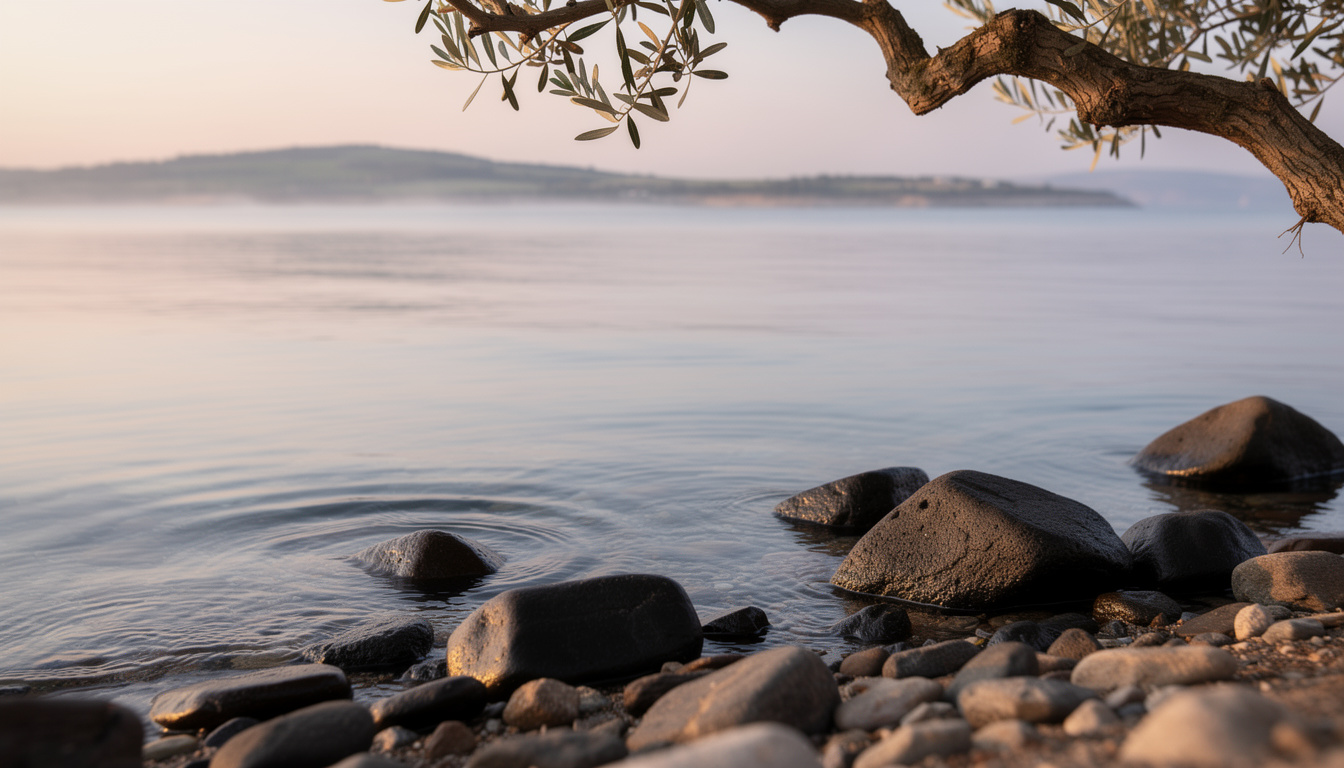
A practical Biblical sites itinerary kit includes a reusable water bottle of at least 1.5 liters, a wide-brim hat, modest layers, type C and H power adapters, and personal medications. Reputable operators also track advisories such as those on the U.S. State Department site and adjust routing when conditions change.
How many days do first-time visitors usually need?
Ten days is the most common standard. It covers Galilee, Jerusalem, Bethlehem, and a desert excursion without constant rushing.
Is a guide necessary for a first visit?
A licensed guide adds historical and scriptural context that signage rarely provides, and guides handle access rules at busy shrines.
What is the best time of year for a Holy Land trip?
Spring and autumn offer the most pleasant walking weather, although crowds and prices peak during major holidays.
Is Bethlehem included in standard itineraries?
Most itineraries include a half-day Bethlehem visit, with time allowed for the border crossing and the Church of the Nativity.
About the Business
Talya Tours is a professional tour operator specializing in custom-tailored travel to Israel and the Holy Land for pilgrims, religious groups, business travelers, and individual tourists from around the globe. Its Christian pilgrimage tours reflect the view that a seamless biblical journey requires regional expertise, careful logistics, and respect for scripture. Tailored itineraries, quality transportation, and experienced guides turn visits to historical landmarks into lasting spiritual milestones.