
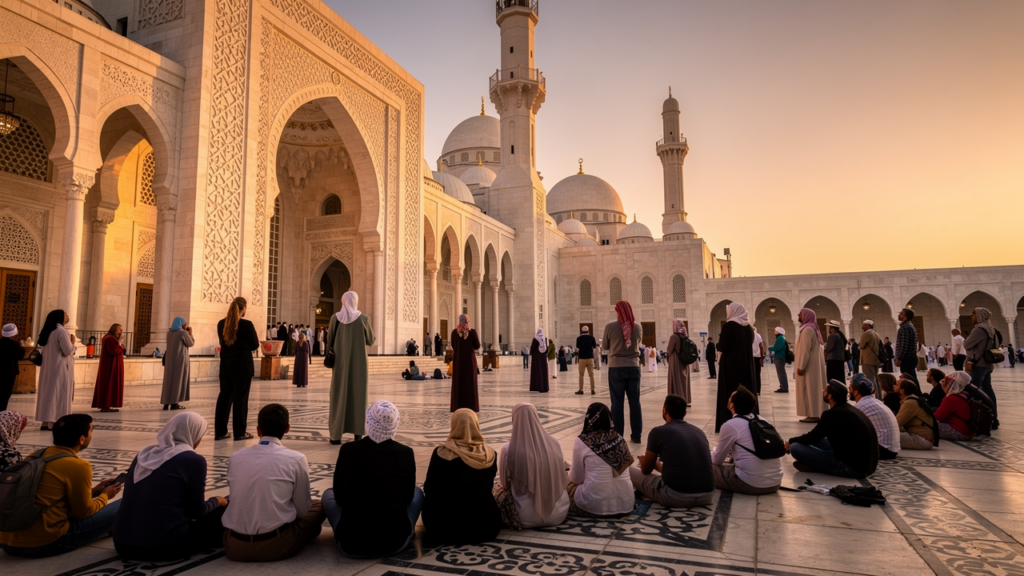
What are holy sites and why do they attract millions of visitors
Holy sites are places considered to have special spiritual or religious significance by communities of believers. These places can include religious buildings, holy tombs, natural sites, or places where significant events have occurred according to religious tradition. Holy sites are centers of attraction for pilgrimage and religious tourism around the world, with each one carrying with it unique stories and meanings for the community that honors it.
The concept of "holiness" varies between different cultures and religions. While for Christianity, places like Bethlehem or Jerusalem are considered holy, in Islam Mecca and Medina receive this status. In Hinduism, the Ganges is considered a sacred river, and in Buddhism Bodh Gaya is the place of Buddha's enlightenment. Each religion and culture defines holiness according to its own unique tradition, beliefs, and rituals.
Fundamental Differences Between a Spiritual Visit and a Regular Tourist Trip
The approach to visiting a sacred site is fundamentally different from a regular tourist trip. The spiritual visitor comes to the place with the intention of worship, prayer, or seeking a spiritual experience. In contrast, the regular tourist usually focuses on taking photographs, visiting museums, or purchasing souvenirs. A pilgrimage often involves special preparations, such as fasting, purification rituals, or prior study of the place and its meaning.
The motivations for visiting influence how the visitor experiences the place. A pilgrim may spend hours praying or meditating, while a tourist will move between different points of interest relatively quickly. However, there is not always a sharp line between the two types of visits, and many visitors experience a combination of spiritual feelings and cultural curiosity.
Protocols and Appropriate Behavior at Sacred Sites
Each sacred site requires appropriate behavior and dress according to its religious tradition. In Christian churches, modest dress is required, and in mosques, women must cover their heads and all visitors must remove their shoes. In synagogues, men wear a skullcap, and in Buddhist temples, it is customary to bow before Buddha statues as a sign of respect.
Rules of conduct include maintaining silence, refraining from taking photos in certain places, and respecting the ceremonies taking place there. Visitors should familiarize themselves in advance with the rules applicable to the site to avoid hurting the feelings of believers or the sanctity of the place. Understanding the rules deepens the experience and allows for a more meaningful visit.
Common mistakes that visitors make at holy sites
One of the common mistakes is arriving without prior preparation for local customs. Many visitors ignore dress codes, take photos in prohibited places, or behave loudly during religious ceremonies. These mistakes can cause discomfort to believers and sometimes even lead to their removal from the site.
Another mistake is treating a place as a tourist attraction only, without recognizing its spiritual significance. Visitors who make noise, place objects in inappropriate places, or violate the ceremonial order may harm the experience of others and the dignity of the place. Understanding the meaning and preparing in advance prevents most of these mistakes.
If you are interested in more details, you can go to the link to the business website: https://www.talyatours.com/
Practical planning for a visit to holy sites in Jordan
Jordan is home to several important holy sites, including the baptismal site at Beit Ania across the Jordan, Mount Nebo, and Madaba. Planning a visit requires checking opening hours, dress requirements, and entrance fees in advance. Some sites require advance reservations or joining a guided tour.
It is recommended to allocate adequate time for each site and not cram too many places into one day. The Jordanian climate requires carrying a hat, sunscreen, and sufficient water. Transportation between sites requires advance planning, especially for those in remote areas such as Wadi Mughrabi or Ma'man.
Comparing Holy Sites in Jordan with Similar Sites in the Middle East
Site Location Religious Significance Access
Beth Ania Beyond Jordan Jordan Baptism Site Easy, Guided Tours
Church of the Holy Sepulchre Jerusalem Burial and Resurrection of Jesus Open, May Be Crowded
Mount Nebo Jordan Passage of Moses Comfortable, Suitable for All Ages
Caves of the Patriarchs Hebron Tomb of the Patriarchs Complex, Requires Coordination
Rights and Responsibilities of Visitors to Holy Sites
Visitors are entitled to fair access to holy sites and accurate information about the site and its significance. They are entitled to basic services such as sanitation facilities, water and shade, as well as professional guidance if necessary. On the other hand, they must respect the laws of the place, avoid causing harm, and be considerate of the feelings of other believers.
Responsibility also includes self-preparation before the visit, understanding the religious and cultural traditions of the place, and behaving respectfully. Visitors are responsible for keeping the site clean and avoiding leaving negative traces. Respecting the rules ensures that the site will be preserved for future generations and can continue to serve the religious communities and the general public.
The author is a journalist and tour guide specializing in religious and cultural tourism in the Middle East, with over a decade of experience accompanying groups to holy sites and writing about heritage and tradition.
How should I prepare myself for a visit to a holy site?
It is recommended to inquire in advance about the dress code, opening hours, and local customs. It is worth learning about the history and religious significance of the place to deepen the experience and avoid inappropriate behavior.
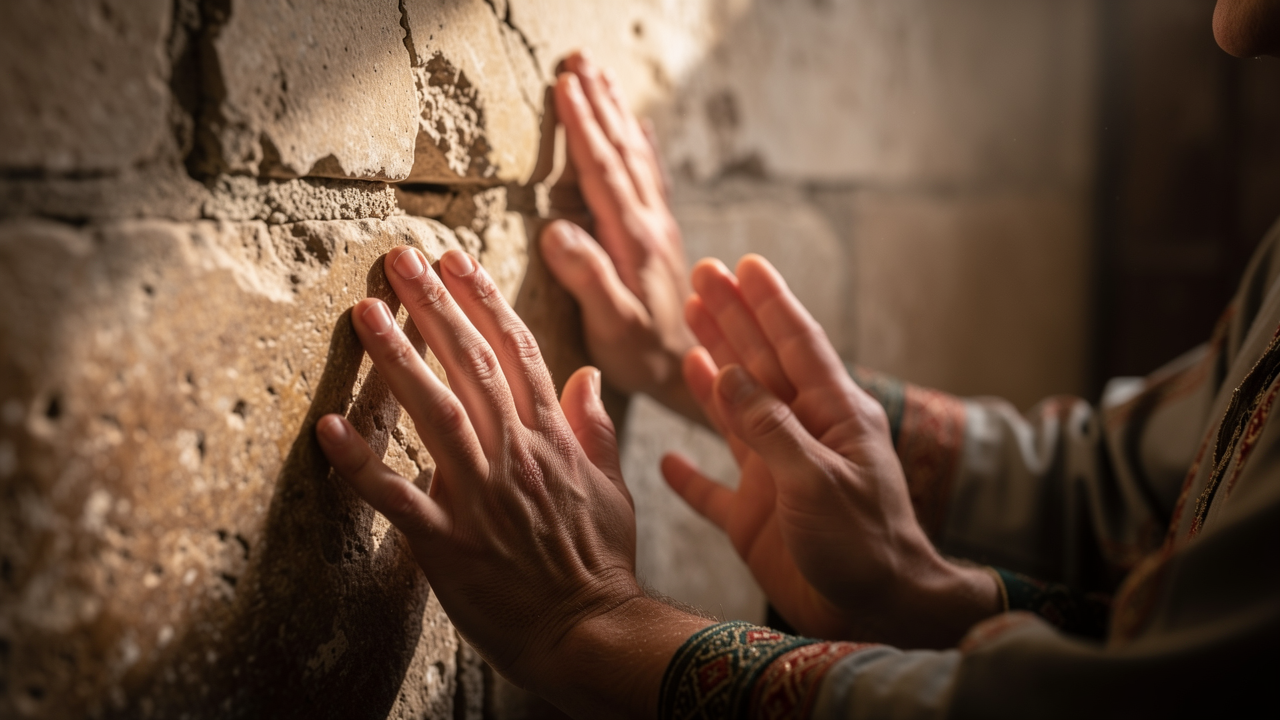
Is photography allowed at all holy sites?
Photography rules vary between sites. Some places allow free photography, others restrict photography in certain areas, and some prohibit photography altogether. It is important to check the rules when entering the site.
What should I do if I make a mistake at a holy site?
In the event of a mistake, it is recommended to apologize modestly and correct the behavior immediately. Most religious communities understand that visitors may not be aware of all the rules and appreciate sincere gestures of respect.
Are there differences in visitation requirements for men and women?
Yes, many religious sites have different requirements for men and women, especially when it comes to clothing and head coverings. Women are sometimes required to cover their heads, shoulders, and legs, and in some places there is segregation between the sexes.